
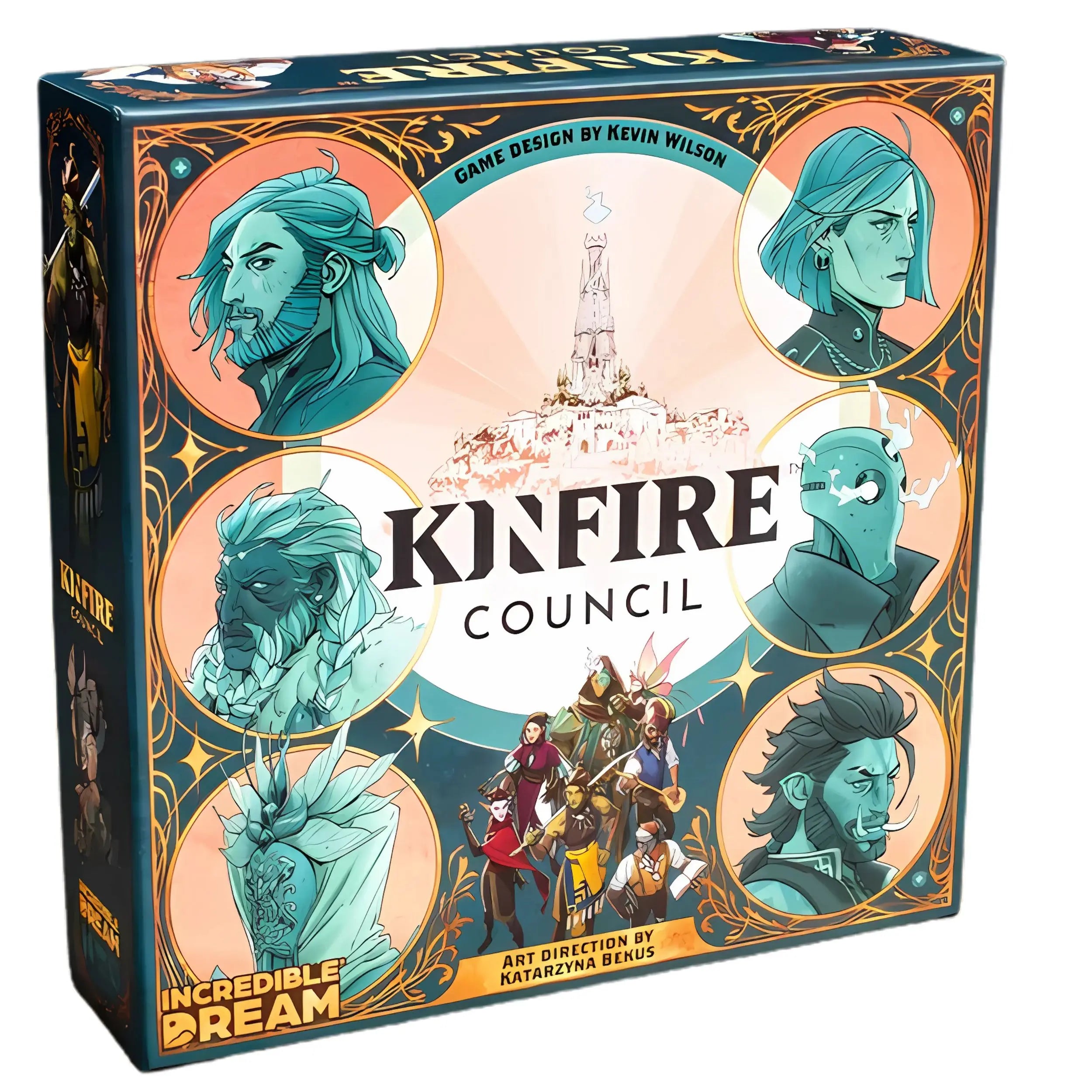
Kinfire Council
🐸 Details from BoardGameGeek
Consiglio BGG sul numero di giocatori
Categorie
Meccaniche
Design & Art
Lingua
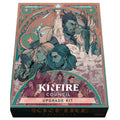
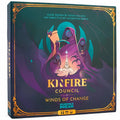
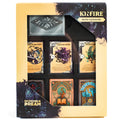


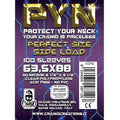

Si abbina bene con

FroGames — Moments You'll Remember
Everyone wants credit for the reconstruction. Nobody wants the Cult to win. But in the meantime, someone is already lying.
What it's about
A power eurogame where your worst enemy might be sitting next to you
Din'Lux is the last great city remaining. Outside the walls, the Starless Nights devour the world — and only the light of the Kinfire keeps the darkness at bay. You are a Council member. You are tasked with rebuilding the city, lighting new lighthouses, and stopping the Cult of Altan. But also with looking like the right person for the job.
Designed by Kevin Wilson (Arkham Horror, Descent) with illustrations by Katarzyna Bekus, Sandra Chlewińska, and Wiktor Kozyra. Published by Incredible Dream Studios, the same narrative universe as Kinfire Chronicles and Kinfire Delve.
Place workers, gather resources, build lighthouses, arrest cultists. Vote for decrees that benefit you. Watch out for the Cult — if it grows too large, a secret Conspirator among the players wins the game. Over 720 initial combinations of Council members and workers: no two games are ever identical.
The secret of Kinfire Council
It looks like a management eurogame. It's a game of persuasion, bought votes, and veiled accusations with a board that wants you to believe otherwise.
The secret of Kinfire Council in one line
Every turn is a difficult choice. Serve the city and lose an action for the common good, or take yours — before someone else does?
From the game experience

Kinfire Council
FrogScore · FroGames editorial rating · based on rulebook, international reviews, and game sessionsYour arsenal
What you control in each game
Your Council Member
Six asymmetrical Council members, each with a unique ability that changes how you play. Randomly drawn, carefully read, remembered throughout the game.
A team of workers
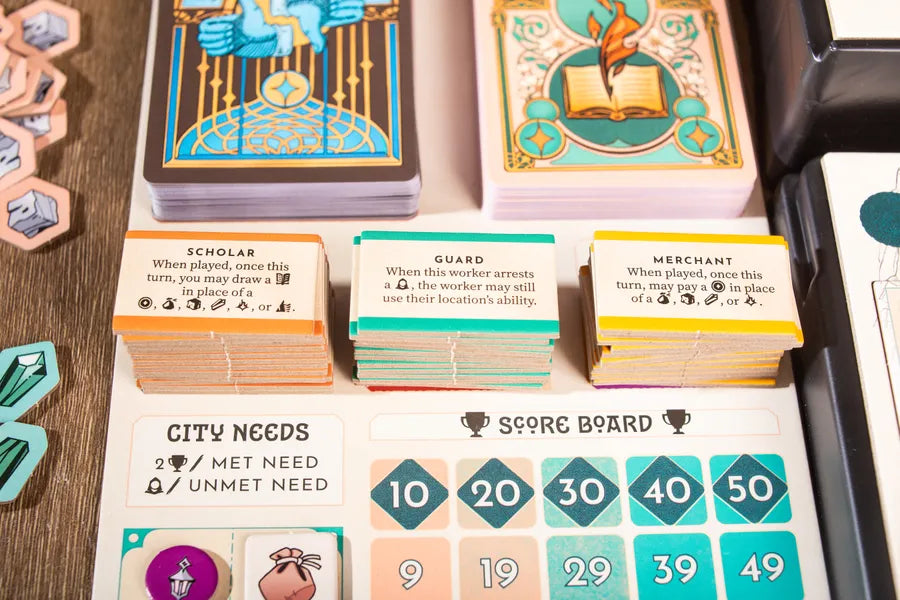
They are not anonymous cubes. They have names, faces, stories — and you can train them as a scholar, guard, or noble. Each one changes the actions you can take.
A Seeker with a lantern
Your special unit. You send them into the sewers to stop threats before they reach the city. If they fail, the damage is collective — but the points are yours.
Your influence tokens
Every turn there are two decrees up for vote. Your vote decides what passes — and who benefits. You don't always vote for what you need. Sometimes you vote to make someone else lose.
At the end of each game, there will be one Council Member more ambitious than the others. And perhaps, silently, a Conspirator who won without telling anyone.
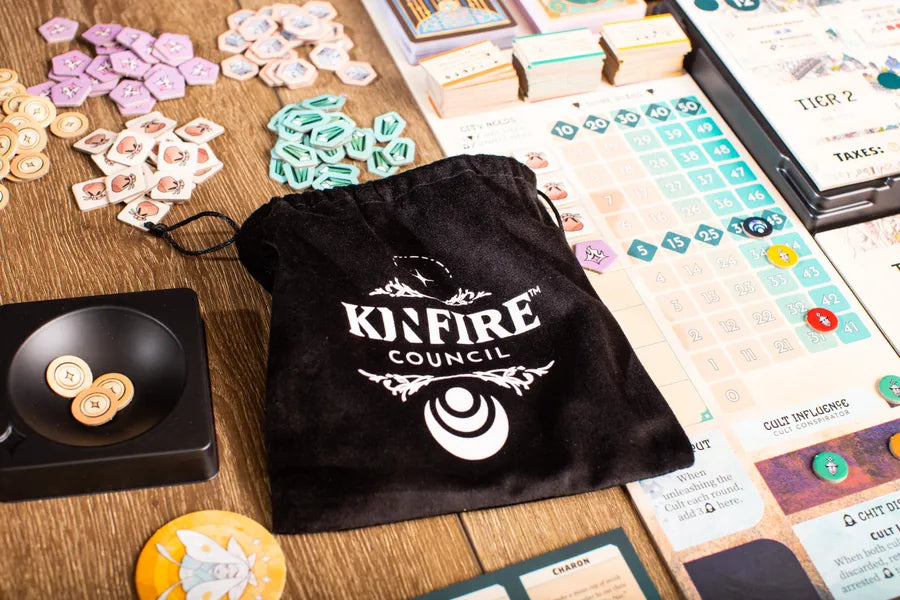
🎲ComponentsOver 700 pieces · premium box
🃏Recommended Sleeves1 size · 110 cards total
📖RulebookEnglish · official PDF
🧤 BUSTINE
Come si gioca
Video dimostrativo di gameplay.
A Game in Five Acts
What happens at the table
Not the rules. The experience.
The Council Convenes
Everyone draws their Advisor. Someone silently reads the asymmetrical powers and smiles. Someone else grimaces. Workers are deployed onto the Din'Lux board and the Cult bag is placed in the center of the table. No one has opened it yet. It already feels too heavy.
The First Vote is a Trap
Two decrees on the table. One benefits you, the other ruins the player to your left. You spend an action to vote against it — and lose your resource turn. But it works. The decree passes. He doesn't say it, but he'll remember it for the rest of the evening.
The Cult Grows, Unchecked
Everyone is building their lighthouse. No one arrests cultists because "someone else will do it." The bag fills, the Cult track advances, and suddenly someone at the table stops talking. It's the secret Conspirator. They are winning, and only they know it.
The Move No One Expected
Someone trains a worker as a scholar and draws three Research cards in one turn. Another sends the Seeker to stop a massive Threat and earns decisive points. The table pauses to understand what just happened — and to recalculate who is really winning.
The Lighthouse is Lit. But Who Really Won?
Points are tallied. Someone cheers. Then the Cult is revealed — and it turns out the Conspirator had won two turns ago. No one had noticed. They talk for an hour about what should have been done on turn three. Everything is packed away, wondering when to play again.
How to play
The flow of each round
Four phases that repeat over multiple rounds. The game seems dense at first — by the second game, it's a choreography.
Two decrees for voting and active Threats are revealed. City Needs change, cultists are placed. Everyone looks at the board and starts planning in their head.
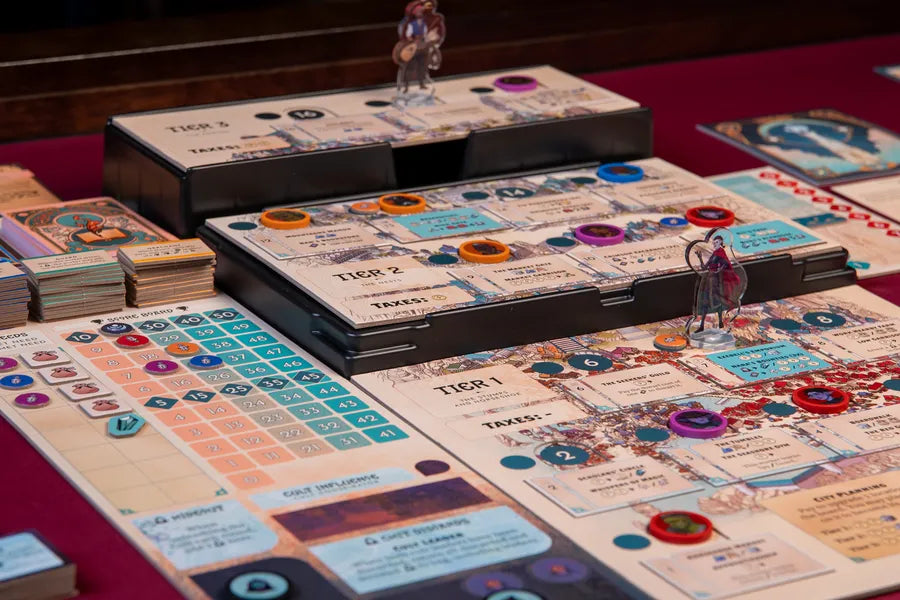
Clockwise, you place one worker at a time on one of the 19 action spaces. Collect resources, deliver materials to the lighthouse, vote, arrest cultists, train a worker, or send the Seeker against threats.
Influence on each decree is counted. The one with the most votes passes and gives bonuses to its main supporters. The other fails — and if it was a Crisis card, the city suffers the consequences.
Tokens are drawn from the Cult bag. Unstopped threats worsen, the track advances. If it reaches the end before the lighthouse is completed, the secret Conspirator wins the game.
Why it's different from others
Six mechanics that make a difference
19 action spaces from turn one
No progressive unlocking, no disguised tutorial. From the first turn, you have a banquet of choices — and all spaces are valuable. The difficulty is not understanding what to do, it's deciding what not to do.
Workers with names and faces
They are not cubes. Each has a portrait, a name, a biography. You can train them as a scholar, guard, or noble — and each training literally changes the actions you can take for the rest of the game.
Decrees that really matter
Voting is not a micro-mechanic. Passing a decree changes the rules of the round and can ruin an opponent's strategy. Crisis cards then punish the entire city if no one stops them. Deciding not to vote is a political choice.
The Cult with a secret Conspirator
One of the players can be the Conspirator. If the Cult wins, they win — no matter who has the most points. The mere fact that it can exist makes every move ambiguous: are you ignoring the Cult strategically, or because you are the Conspirator?
6 asymmetrical Advisors
Each Advisor has a unique ability that profoundly changes the play style. 6 Advisors × 6 worker types × 20 decrees = over 720 initial combinations. No two games are identical, not even close.
Designed by Kevin Wilson
The designer of Arkham Horror and Descent. An ambitious project with three top artists — Katarzyna Bekus, Sandra Chlewińska, and Wiktor Kozyra — who have given Din'Lux a unique visual identity in the eurogame landscape.
How it ends
Three ways to win — one way for everyone to lose
Victory is not just about points. It's about knowing who wins what — and keeping an eye on who is playing a different game than yours.
Advisor's Victory
- At the end of the game, the Advisor with the most victory points wins the title of Din'Lux benefactor.
- Points come from: lighthouse deliveries, arrests, successful decrees, Sentry tokens, stopped Threats.
- Balance is key — those who specialize too much lose points in other areas.
Conspirator's Victory
- If Altan's Cult reaches the end of the track before the lighthouse is completed.
- The player with the Conspirator card wins the game — everyone else loses.
- The Conspirator is secret: no one knows who it is until the game ends.
Kinfire Council is not a worker placement game. It's a worker placement game with a knife under the table. Perfect for groups who want a euro with real teeth.
Frequently asked questions
Kinfire Council FAQ
What distinguishes it from other worker placement games like Lords of Waterdeep?
The Cult with a secret Conspirator and the decree voting system. Lords of Waterdeep is a clean eurogame — Kinfire Council adds a political dimension and the risk that one of the players is playing to make everyone else lose. The interaction is much higher, and every turn has a different emotional weight.
Is it suitable for those who have never played a heavy eurogame?
No, it's not a gateway game. BGG weight 3.26/5 means dense rules and a first game that can last over two hours. If you've never played a medium-heavy eurogame, start with something simpler. If you're already familiar with Viticulture, Lords of Waterdeep, or Terraforming Mars, you'll feel right at home here — just with more intrigue.
Do you need to have played Kinfire Chronicles or Kinfire Delve?
No. Kinfire Council is a completely standalone competitive game. The Din'Lux universe is the same as Kinfire Chronicles (narrative campaign) and Kinfire Delve (cooperative dungeon crawler), but there is no plot continuity. If you've played the other titles, you'll recognize characters and locations — but it's not a prerequisite.
What player count does it work best with?
With 4-5 players, the game shines: action spaces are contested enough to create tension, and decrees have real political weight. With 2 players, it works but loses the social dimension. With 6, it becomes long but epic. The sweet spot is 4.
Is there a solo mode?
Not in the base game. The official expansion, Winds of Change, adds solo and cooperative modes — but it must be purchased separately. If you're looking for a specifically solo/co-op Kinfire experience, check out Kinfire Delve, which was designed for that.
Is it available in Italian?
This is the English edition. Rules, cards, and boards are all in English. The game has a good amount of text on the cards (decrees, research, threats), so a basic knowledge of English is useful. For now, an official Italian edition has not been announced.
Kinfire Council is a competitive eurogame of politics, worker placement, and intrigue for 2–6 players (ages 14+, 90–120 min duration). Designed by Kevin Wilson (Arkham Horror, Descent), illustrated by Katarzyna Bekus, Sandra Chlewińska, and Wiktor Kozyra, published by Incredible Dream Studios. Key mechanics: worker placement, decree voting, asymmetrical powers, prisoner's dilemma. Each player controls a Din'Lux Advisor and a team of named and faced workers, tasked with rebuilding the city while Altan's Cult plots in the shadows. Over 720 initial combinations of Advisors and trainings, 19 action spaces, a secret Conspirator who can turn the game upside down. Same narrative universe as Kinfire Chronicles and Kinfire Delve. English edition. Available on FroGames.it.
Kinfire Council
Frequently Asked Questions
The answers you're looking for, no beating around the bush.
📸Do the images match the actual product?
The photos on the website often come from BoardGameGeek and are intended to give you an idea of the game. They may vary slightly from the version you receive. The content declared by the publisher is always binding.
📦Does the content of the box match what is indicated?
We always strive to provide the correct content, but minor variations are possible due to reprints or updates. The information comes directly from the publishers. If you have any questions, please contact us!
⏳How do pre-orders work?
Pre-order the game before release, payment is immediate, and the game is reserved for you. As soon as it arrives, we'll ship it right away! If there are any delays, we'll update you promptly.
🔒Can I trust buying here?
Absolutely! Secure payments, tracked shipments, and a team that loves board games as much as you do. If something goes wrong, we'll do our best to fix it.
🛠There's a problem with my order, what should I do?
Write to us now! Whether it's a missing part, damage, or an error, we'll help you resolve it as soon as possible. Your experience truly matters to us.