


Punica: Rome vs Carthage
🐸 Dettagli da BoardGameGeek
Consiglio BGG sul numero di giocatori
Categorie
Meccaniche
Design & Art
Lingua
Pre-order - leggi i dettagli
🐸 Una rana saggia sa quando dividere l’ordine… e quando aspettare il salto giusto.
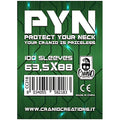
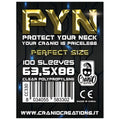
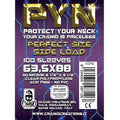

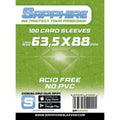

Si abbina bene con
The FroGames card
You have three cards in hand. He has three. Sicily is on the table between you two. You play the legion, he counters with elephants. Twenty minutes later one of you has lost the Mediterranean.
WHAT IT'S ABOUT
The duel that decided the ancient Mediterranean
It's 264–146 BC, when Rome and Carthage clashed for control of the Mediterranean in three bloody wars. Mariusz Rosik compressed that centuries-long conflict into a 20-minute asymmetrical duel, with graphics by Mihajlo Dimitrievski and production by PHALANX. Each faction has different starting points, unique regional advantages, and its own war philosophy.
You play cards to move troops, control territories, and activate special abilities. Rome advances with discipline and persistence, Carthage responds with mobility and wealth. The table is small, the choices are big, and in the end one of the two empires falls. You can play it on your lunch break or take it with you when you travel: it's a wargame that fits in your pocket but doesn't compromise on tension.
What they say abroad
"Strategic bite without the table sprawl"
Strategic depth without taking up the whole table
— PHALANX
It's a new game with few ratings on BGG, so we're still exploring it. This card is based on official data: we'll update with live impressions as soon as we've played enough games.
— FroGames

Punica: Rome vs Carthage
FrogScore · FroGames editorial rating · based on rules, international reviews and game sessionsWhat's in the box
The pieces of the duel
Map of the Mediterranean
Territories to control, regions with specific advantages for Rome or Carthage. Small but dense: every space counts.
Action/event cards
Your tactical arsenal: movements, battles, historical events. 16 cards in total, hand of 3. Choose when to play them.
Asymmetric troops
Roman legions against Carthaginian elephants and mercenaries. Each faction has a different initial setup and powers.
Control tokens
You track dominance over the Mediterranean. The majority in an area can be overturned in one turn, and with it the game.
Recommended sleeves 16 cards in 1 size ▼
If you play often, we recommend protecting your cards with transparent sleeves to make them last longer.
| Size | Quantity |
|---|---|
| 63 × 88 mm | 16 |
| Total cards | 16 |
Come si gioca
Video dimostrativo di gameplay.
🎲How to PlayThe rules in four steps▼
How to Play
The Flow of Each Round
Alternate turns, immediate actions, no downtime. The player who controls the most territories at the end of the game wins.
Choose one of the three cards in your hand. It can be troop movement, a historical event, or a special action for your faction. You play it, and it resolves immediately.
Move units, take control of a territory, activate a regional advantage. If you trigger a conflict, it resolves immediately with the troops present.
Verify who dominates key areas. Some territories give immediate bonuses if you control them, others count for final victory.
Replenish your hand to three cards (if the deck allows). The turn passes to your opponent. The game ends when a victory condition is met or the deck runs out.
⏱️Your First GameMoment by moment chronicle▼
A game in five moments
What happens at the table
Not the rules. The experience.
Asymmetric Setup
Choose your factions. Rome starts with solid territorial control, Carthage with economic advantages and mobility. Look at the map: you already know where the first troops will clash. Shuffle the decks, draw three cards. The war can begin.
First Moves, First Conflicts
You play a movement card, he responds with an event. Sicily changes hands. You place troops in Hispania, he consolidates Africa. Each turn is direct action and reaction: you don't wait for your moment, you create it by snatching it from him.
The Mediterranean Splits
Mid-game, half the map controlled by one side. But a key territory is contested and can turn everything around. You have a strong card in hand, but if you play it now, you lose flexibility later. He's counting your played cards. Tension rises.
The Move That Changes Everything
You play the decisive event. His troops in Sardinia are isolated, you take control and activate the Roman regional advantage. He searches the deck for a response, but he already burned the right card three turns ago. The game is about to end.
Victory by Control
Last turn. You count the territories: you have the necessary majority. He plays his last card to try and steal an area from you, but it's not enough. Rome wins (or Carthage, depending on how it went). Twenty clear minutes. Reshuffle for the rematch.
🐸What to Know BeforehandThree honest things, as friends▼
What to know beforehand
Three things you need to consider
Marked Asymmetry
Rome and Carthage play in a structurally different way. It's not just a color change: they have distinct strategies, initial setups, and powers. If one of you plays their first game with a faction and loses, a rematch with the other might feel like a different game. It takes one game to understand each faction's strengths.
Small Deck, Big Choices
Only 16 cards in total, hand of 3. This means that every card played is a放弃 of something else. There's no luxury of holding an ace for later: if you hold it too long, your opponent will steal the territory you wanted to protect. Timing is everything, and you make mistakes quickly.
Twenty Minutes Flat: Pros and Cons
The very short duration is an advantage (you can take it anywhere, play it on a break) but also a limitation. There's no time for epic comebacks or long-term plans: make two wrong moves and the game is over. If you like wargames with long narrative arcs, this will leave you wanting more. But if you want concentrated tactical tension, it's perfect.
🏆Victory and DefeatWhat the ending rewards▼
How it ends
How to win and how to lose
The game ends when a faction achieves territorial dominance or when the deck runs out. Whoever controls the most key areas wins.
Victory
- You control the majority of key territories in the Mediterranean
- You activate enough events/regional advantages to consolidate dominance
- The opponent loses critical troops and can no longer contest areas
Defeat
- You lose control of strategic regions and have no cards to reclaim them
- You burn strong cards too early and are left without tactical responses
- The opponent exploits their asymmetric advantages better than you and dominates the map
Punica is a pocket wargame that doesn't compromise on tension. Twenty minutes to decide who wins the ancient Mediterranean. Available on FroGames.it
💬Frequently Asked QuestionsQuick answers before checkout▼
Frequently Asked Questions
FAQ about Punica: Rome vs Carthage
What mechanics does Punica: Rome vs Carthage use?
Area control (area majority/influence), troop movement (area movement), tactical hand management, and action/event cards. The game blends hand management with tactical map placement, in a light wargame style.
Is it really playable in 20 minutes, or is that an optimistic estimate?
Twenty minutes is realistic after the first game. Quick setup, immediate turns, small deck. The first game with rules explanation will take you 30-35 minutes, but from the second game onwards, you'll be fast. It's designed for quick sessions and tournaments.
How much does luck matter? Is there random drawing?
You draw cards, so there's a random element in the draw. But your hand always has 3 cards, and you immediately see what you have: luck lies in when key cards arrive, not if you have them. The game rewards timing and reading your opponent more than a lucky roll of the dice.
Are the two factions balanced, or is one stronger?
They are asymmetrically designed, not mirror images. Rome and Carthage have different strengths. With few votes on BGG (145 at the moment), there isn't yet a consensus on perfect balance, but the publisher states they have been tested for tournaments. A rematch with faction switching is almost mandatory.
Is it available in Italian?
No, this edition is in English. There are texts on the cards (territory names, historical events), so a basic knowledge of English is required. There are currently no verifiable official or fan-made Italian translations.
The people behind the game
Who invented it, who designed it, who publishes it — and what else they've done.
Punica: Rome vs Carthage is an asymmetric wargame for 2 players, lasting 20 minutes, age 14+. Designed by Mariusz Rosik and published by PHALANX, it recreates the conflict between Rome and Carthage during the Punic Wars (264–146 BC) through mechanics of area control, hand management, and action/event cards. Each faction has an asymmetric setup, regional advantages, and distinct play style: Rome advances with discipline, Carthage with mobility and wealth. Its compact format makes it ideal for tournaments, travel, or quick games between longer sessions. Available on FroGames.it
Punica: Rome vs Carthage
Frequently Asked Questions
The answers you're looking for, no beating around the bush.
📸Do the images match the actual product?
The photos on the website often come from BoardGameGeek and are intended to give you an idea of the game. They may vary slightly from the version you receive. The content declared by the publisher is always binding.
📦Does the content of the box match what is indicated?
We always strive to provide the correct content, but minor variations are possible due to reprints or updates. The information comes directly from the publishers. If you have any questions, please contact us!
⏳How do pre-orders work?
Pre-order the game before release, payment is immediate, and the game is reserved for you. As soon as it arrives, we'll ship it right away! If there are any delays, we'll update you promptly.
🔒Can I trust buying here?
Absolutely! Secure payments, tracked shipments, and a team that loves board games as much as you do. If something goes wrong, we'll do our best to fix it.
🛠There's a problem with my order, what should I do?
Write to us now! Whether it's a missing part, damage, or an error, we'll help you resolve it as soon as possible. Your experience truly matters to us.